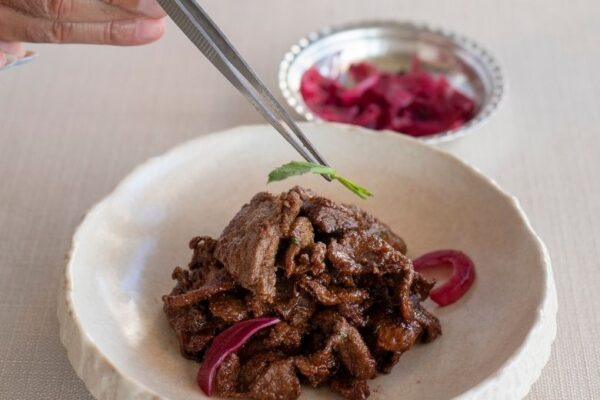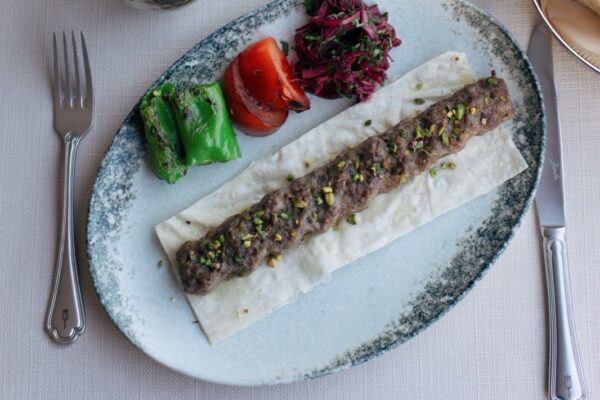

Menus in Sultanahmet love to drop the words “Ottoman” and “Anatolian” next to almost anything, as if they were interchangeable flourishes. They are not. One describes a home-grown, region-rooted way of cooking that stretches back thousands of years across Asia Minor; the other describes a refined court cuisine that developed inside the kitchens of a single empire’s palace, with resources ordinary households never had. Knowing the difference changes how you read a menu, and it changes what you should expect on the plate.
Two Kitchens, One Country: Why the Labels Matter
Anatolian cuisine is the older and broader of the two. It is the sum of what farmers, herders and townspeople across the peninsula actually cooked, shaped by climate, migration and whatever grew or grazed nearby — wheat and legumes in central Anatolia, olive oil and seafood along the Aegean, dairy and meat in the east. Ottoman cuisine, by contrast, is a court style that grew out of the palace kitchens of Topkapı, where hundreds of cooks worked in specialized stations to feed the sultan’s household. It borrowed heavily from Anatolian, Balkan, Arab and Persian traditions, then refined the results with imported spices, sugar and labor that no village kitchen could match. Ottoman cooking is, in a real sense, built on top of Anatolian cooking, not a replacement for it.
What Makes a Dish “Ottoman”?
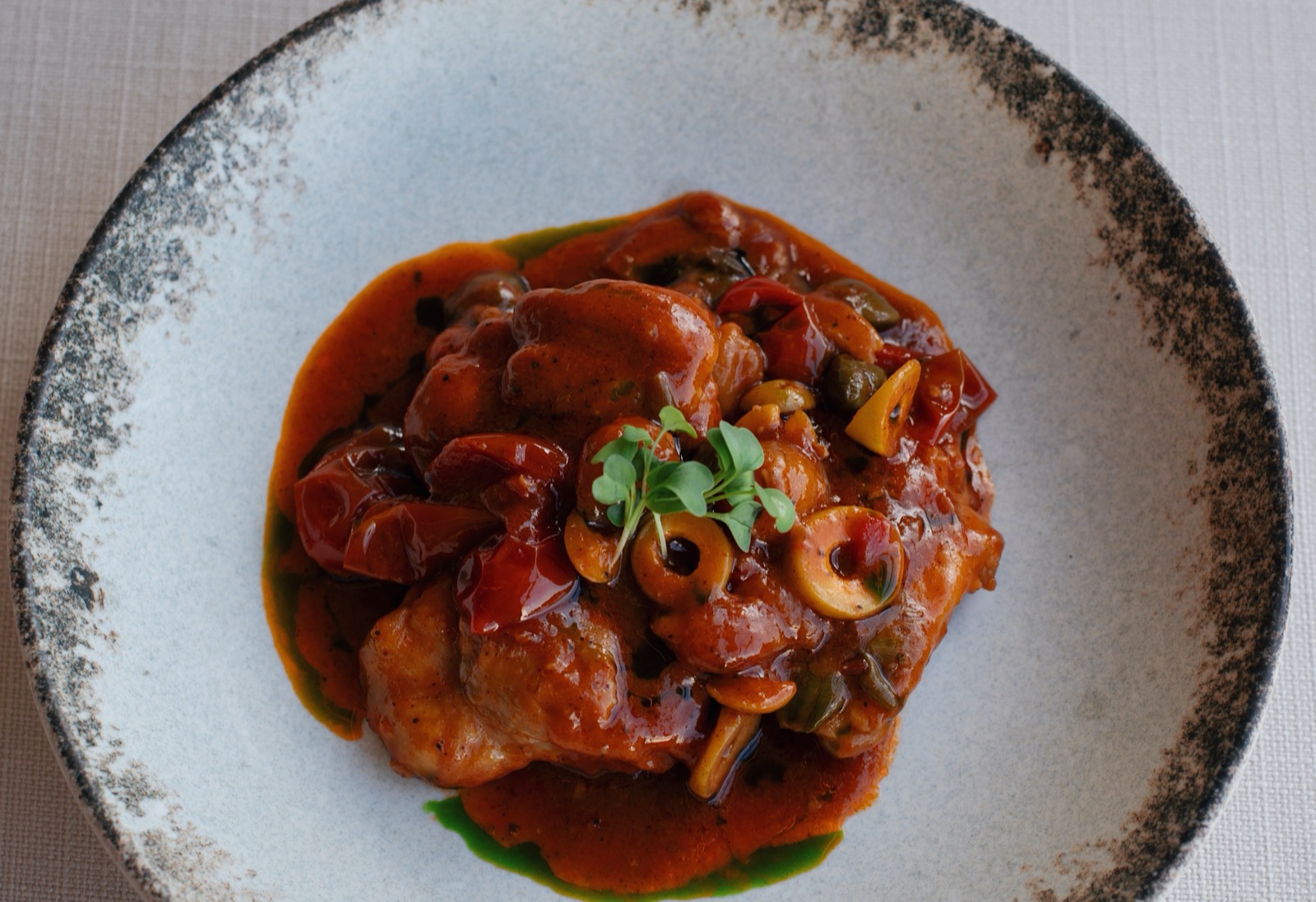
An Ottoman dish usually announces its origins through technique and occasion rather than ingredients alone. Palace kitchens had the time to reduce a sauce for hours, the sugar and dairy to build elaborate milk desserts, and the staff to prepare labor-intensive stuffed and layered dishes for court banquets. Coffee itself became a court ritual after arriving in the Ottoman Empire in the 16th century, and the elaborate brewing method that emerged in Istanbul is now known worldwide as Turkish coffee. At Shyra, Ekşili Tavuk Aşı — chicken braised in a bright, sour tomato sauce with olives, capers and peppers — reflects the piquant, slow-built sauce work Ottoman court cooks were known for, as does the goose dish once served to Sultan Süleyman the Magnificent during winter Ottoman banquets.
We go deeper into this side of the story in our piece on Ottoman palace cuisine in Sultanahmet, and the milk-based Ottoman desserts that came out of the same palace kitchens — kazandibi among them — are covered in our guide to Turkish dessert beyond baklava.
What Makes a Dish “Anatolian”?
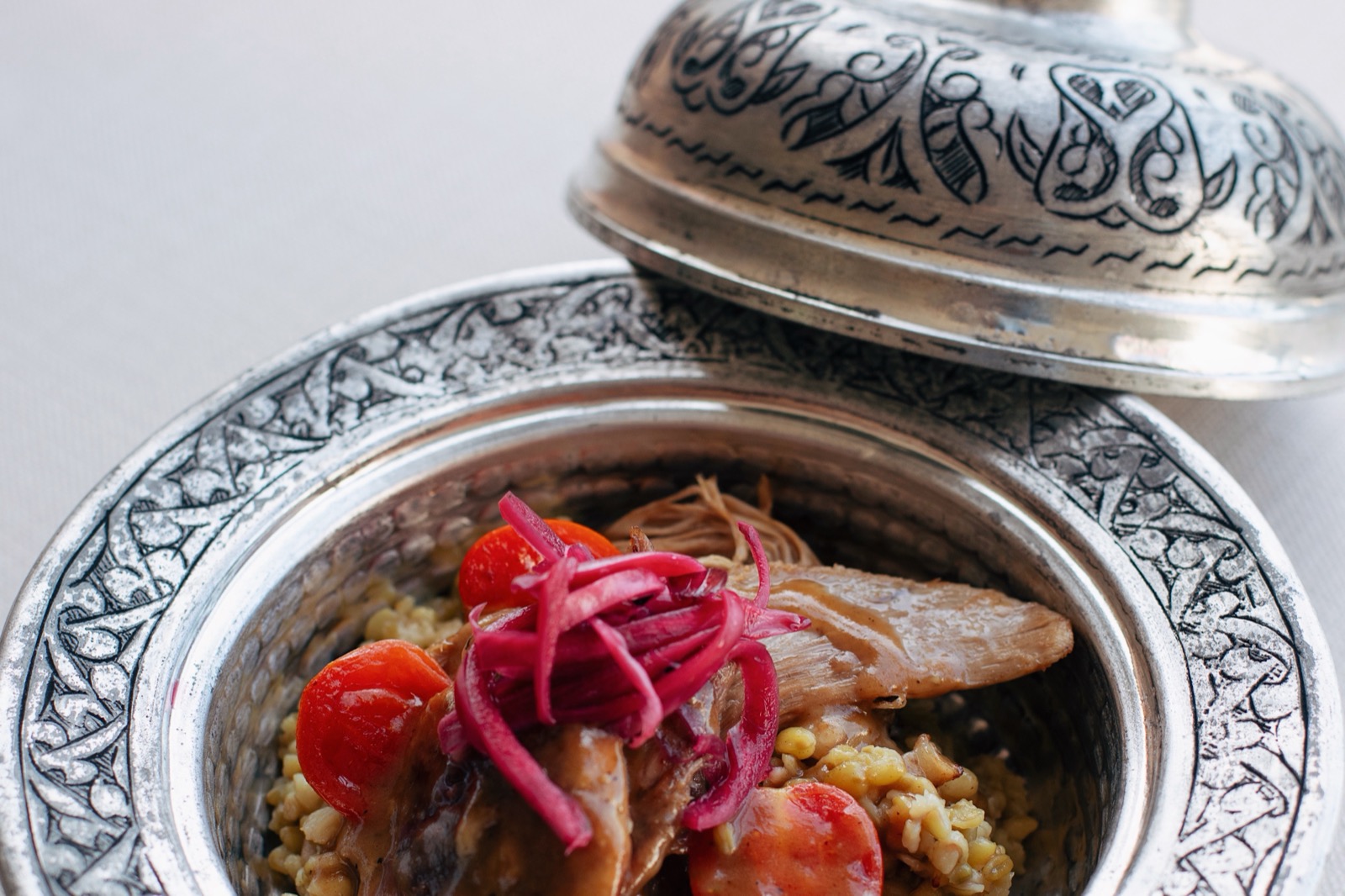
Anatolian dishes tend to be regional, seasonal and built around what a household or a town actually had on hand, with none of the court’s resources behind them. Keşkek, prepared for weddings across the country, and mantı, which arrived with the Turkic migrations from Central Asia, are Anatolian at their core — they belong to no single kitchen or era and appear, with local variation, in dozens of towns. Lamb tandır, slow-roasted in the Çorum and Yozgat tradition and served at Shyra with bulgur pilaf and chickpeas, is a good example: the technique and the region are named right on the plate, and the same dish looks slightly different depending on which Anatolian town you order it in. Anatolian cuisine also carries the deepest roots of the story, reaching back to the Central Asian steppe migrations we describe in the great migration behind Turkish cuisine.
A Side-by-Side Comparison
Put the two traditions next to each other and the differences become easier to spot on any menu:
- Origin: Anatolian cooking comes from villages, towns and nomadic camps; Ottoman cooking comes from the palace kitchens of Topkapı.
- Audience: Anatolian dishes fed families and communities; Ottoman dishes were built to impress a sultan’s court and its guests.
- Technique: Anatolian recipes favor slow, practical methods — grilling, stewing, baking in a clay pot; Ottoman recipes add refinement — reduced sauces, layered pastries, elaborate milk puddings.
- Typical markers on a menu: a city or region name (Adana, Gaziantep, Çorum) usually signals Anatolian roots; a reference to the sultan, the palace, or a specific century usually signals Ottoman origins.
- Overlap: many dishes, like the goose kebab once served to Süleyman the Magnificent, started as Anatolian ingredients before being elevated inside the Ottoman court.
Where the Two Traditions Meet at Shyra
In practice, no serious Turkish menu keeps Ottoman and Anatolian dishes in separate boxes, and Shyra’s does not try to. A meze selection might sit a few centimeters from a plate that traces directly back to the Ottoman palace kitchen, while the bread basket and the pickles on the table are pure Anatolian household cooking, unchanged for generations. Chef Necati Yılmaz’s menu is built explicitly around this overlap: Central Asian and Anatolian technique on one side, Ottoman court refinement on the other, both drawing from the same well of Turkish culinary history that we cover in our guide to Turkish cuisine beyond kebabs.
Reading a Menu Like a Historian
Once you know what to look for, a Turkish menu starts to read like a timeline. Regional names — Adana, Gaziantep, Şanlıurfa, Çorum, İzmir — usually flag an Anatolian dish rooted in a specific place. References to the palace, the sultan, a specific century, or an elaborate multi-step preparation usually flag something with Ottoman court origins. Neither label makes a dish more or less authentic; they simply describe two different, overlapping sources for the same national cuisine, both still very much alive in Istanbul kitchens today, including Shyra’s.
Frequently Asked Questions
Is Ottoman cuisine the same as Turkish cuisine? No. Ottoman cuisine is the palace-refined subset of a much larger Turkish culinary tradition that also includes everyday Anatolian cooking.
Which came first, Anatolian or Ottoman cooking? Anatolian cooking is older and broader; Ottoman court cuisine developed later, drawing on Anatolian, Balkan, Arab and Persian influences inside the palace kitchens.
Can a dish be both Anatolian and Ottoman? Yes. Many dishes started as regional Anatolian food and were later refined in Ottoman palace kitchens, so the line between the two is often blurry by design.
Conclusion
The next time a Turkish menu uses the words Anatolian and Ottoman as if they meant the same thing, remember that one is a region’s entire culinary memory and the other is a single empire’s court refinement of it. At Shyra Restaurant in Sultanahmet, both Anatolian and Ottoman traditions sit on the same table every night — which is exactly how they have always coexisted in Turkish cuisine.