

AN UNFORGETTABLE CULINARY JOURNEY THROUGH ANATOLIAN FLAVORS

EVENING DEGUSTATION MENU
Welcome to Shyra!
At Shyra, every dish tells a story. Our tasting menu is inspired by centuries of Anatolian and Ottoman culinary traditions, bringing together recipes that have been passed down through generations.
We hope this culinary journey has offered you a deeper appreciation of the rich history, culture, and traditions of Turkish and Anatolian cuisine.
Afiyet Olsun!
Price: ₺4,500 per person (VAT included)
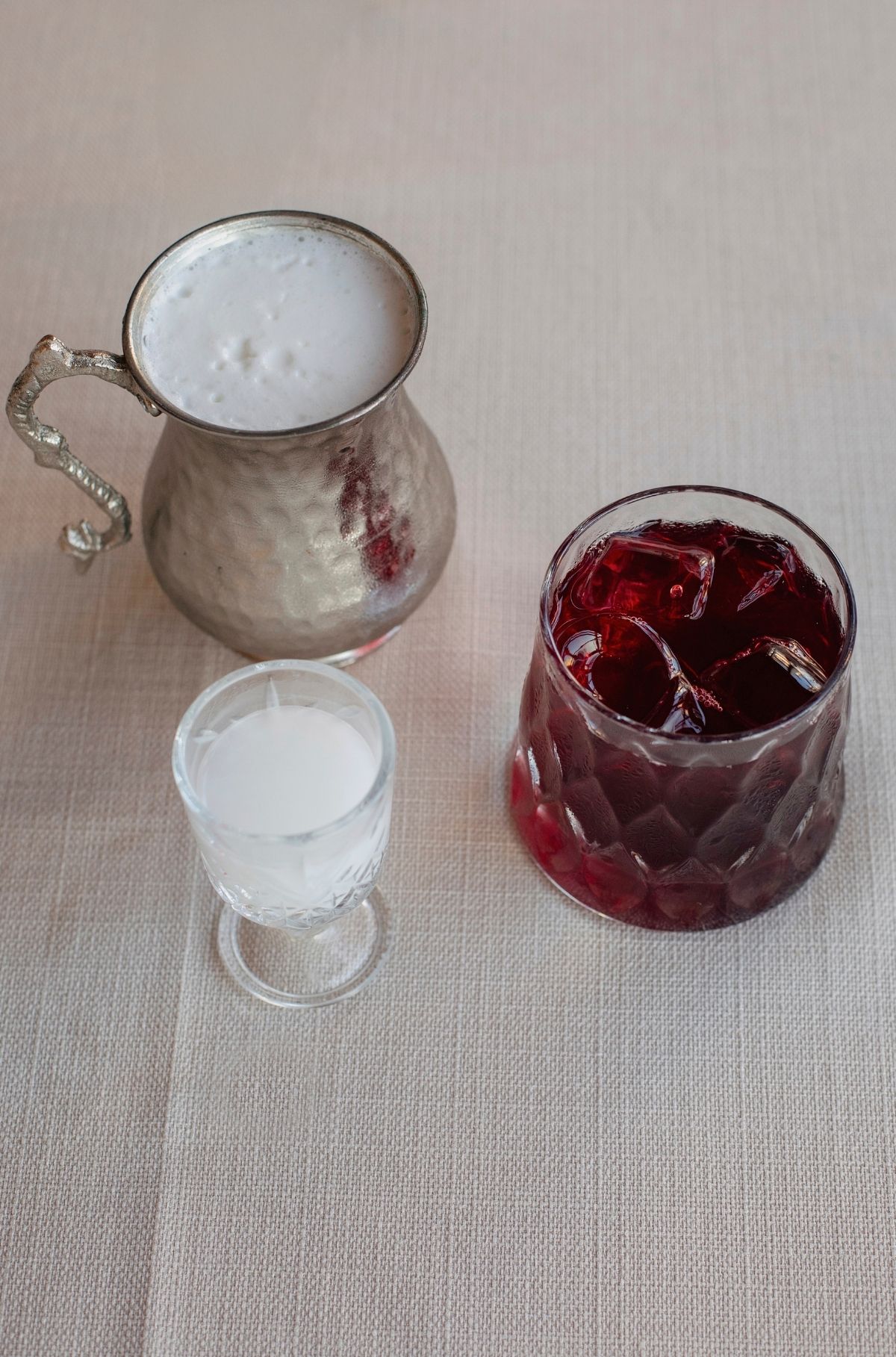
Pomegranate Sherbet
One of the most refreshing beverages of the Ottoman Palace during the summer months. Our sherbet is prepared with dried pomegranate blossoms, traditionally brought from Bursa for Sultan Mehmed II. During the Ottoman era, ice was harvested from the caves of Mount Uludağ, stored in palace icehouses, and served with chilled sherbet to the Sultan.
Konya Okra Soup
Konya was one of the first Turkish capitals in Anatolia and the home of Mevlana. This elegant soup has been served at weddings and ceremonial feasts for centuries. Preparing it requires immense patience and skill, making it one of Anatolia’s most respected traditional dishes. In Konya, serving okra soup to a guest is considered a sign of high honor and respect.
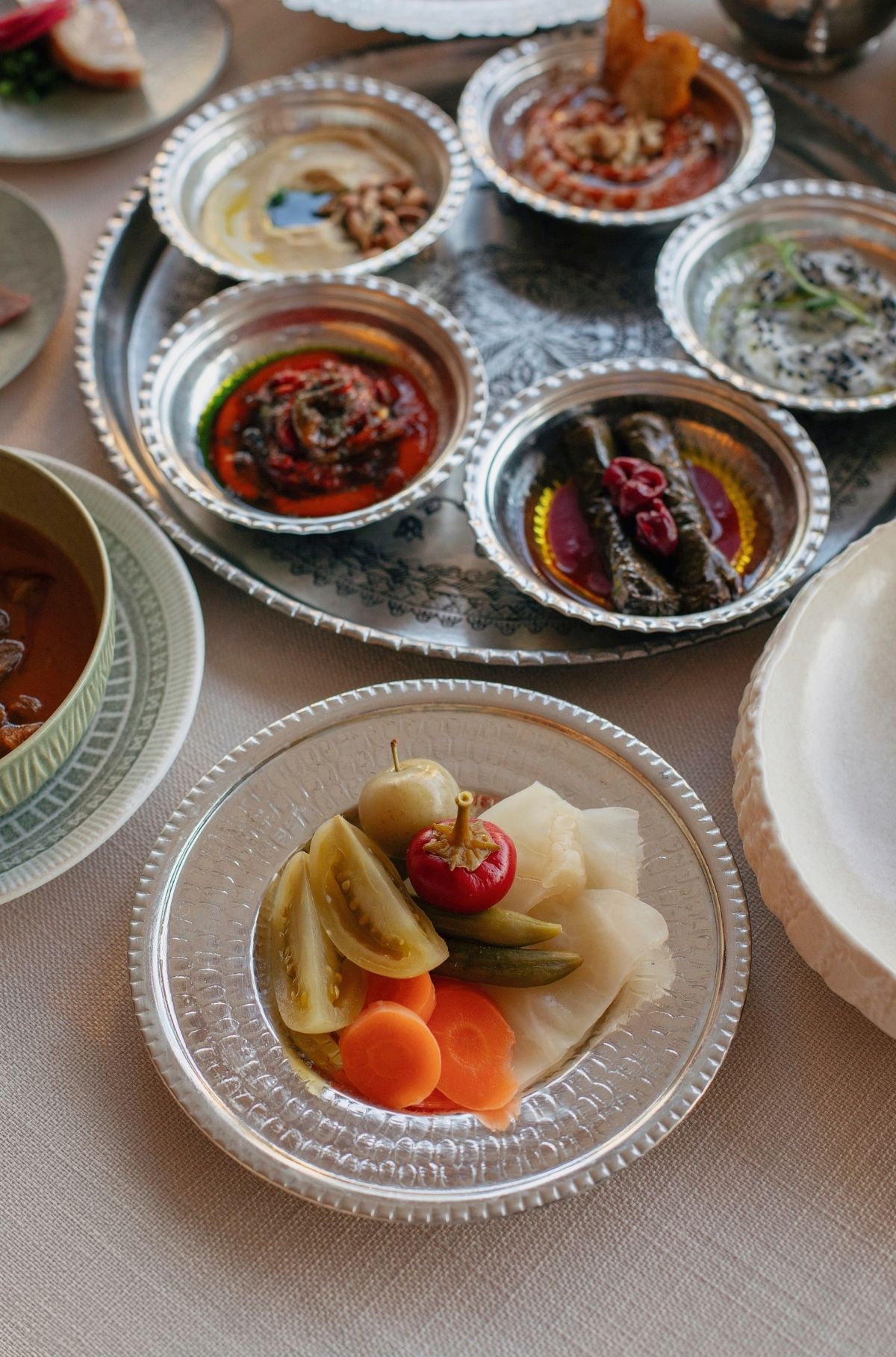
Traditional Pickles
Pickling is one of the oldest food preservation techniques in history. While many ancient civilizations—including the Hittites, Romans, Persians, and Greeks—prepared pickles, the Turks enriched this tradition after arriving in Anatolia. Today, artisanal pickles remain an essential component of Turkish dining culture.
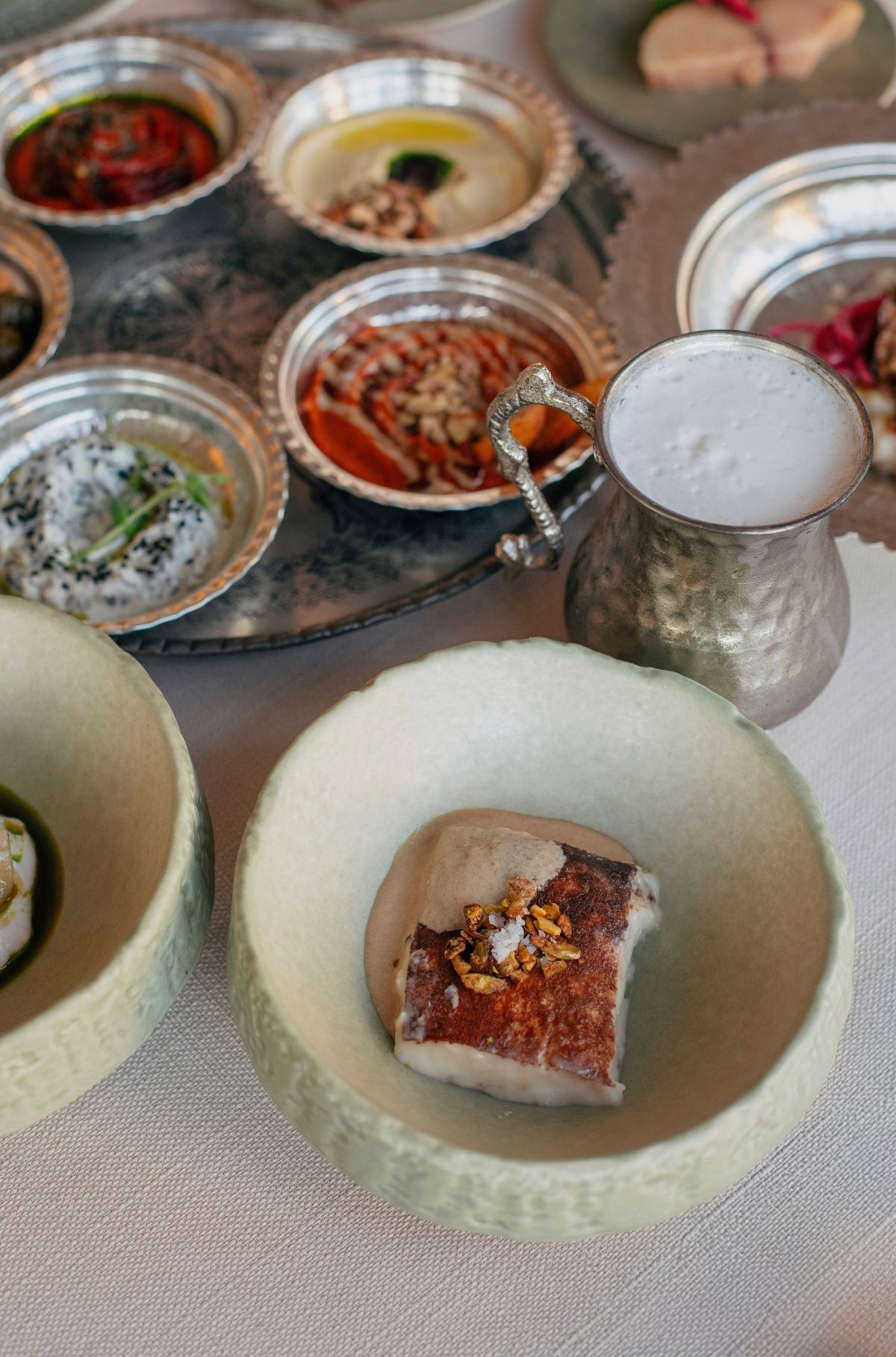
Ayran
Ayran dates back to the ancient Turkic nomads of Central Asia. By combining yogurt with water and salt, they created a refreshing and nutritious drink that has accompanied Turkish meals for centuries.
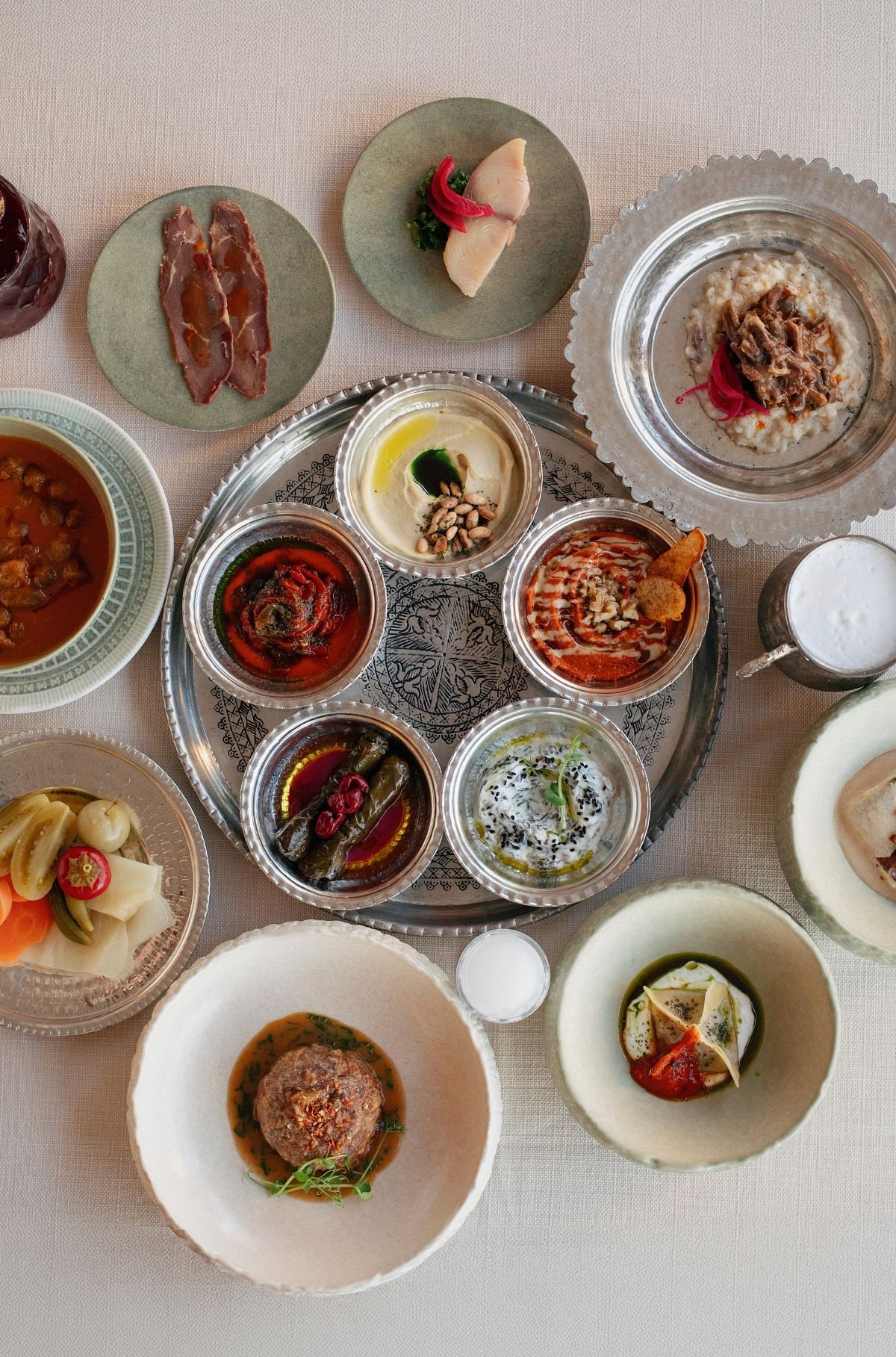
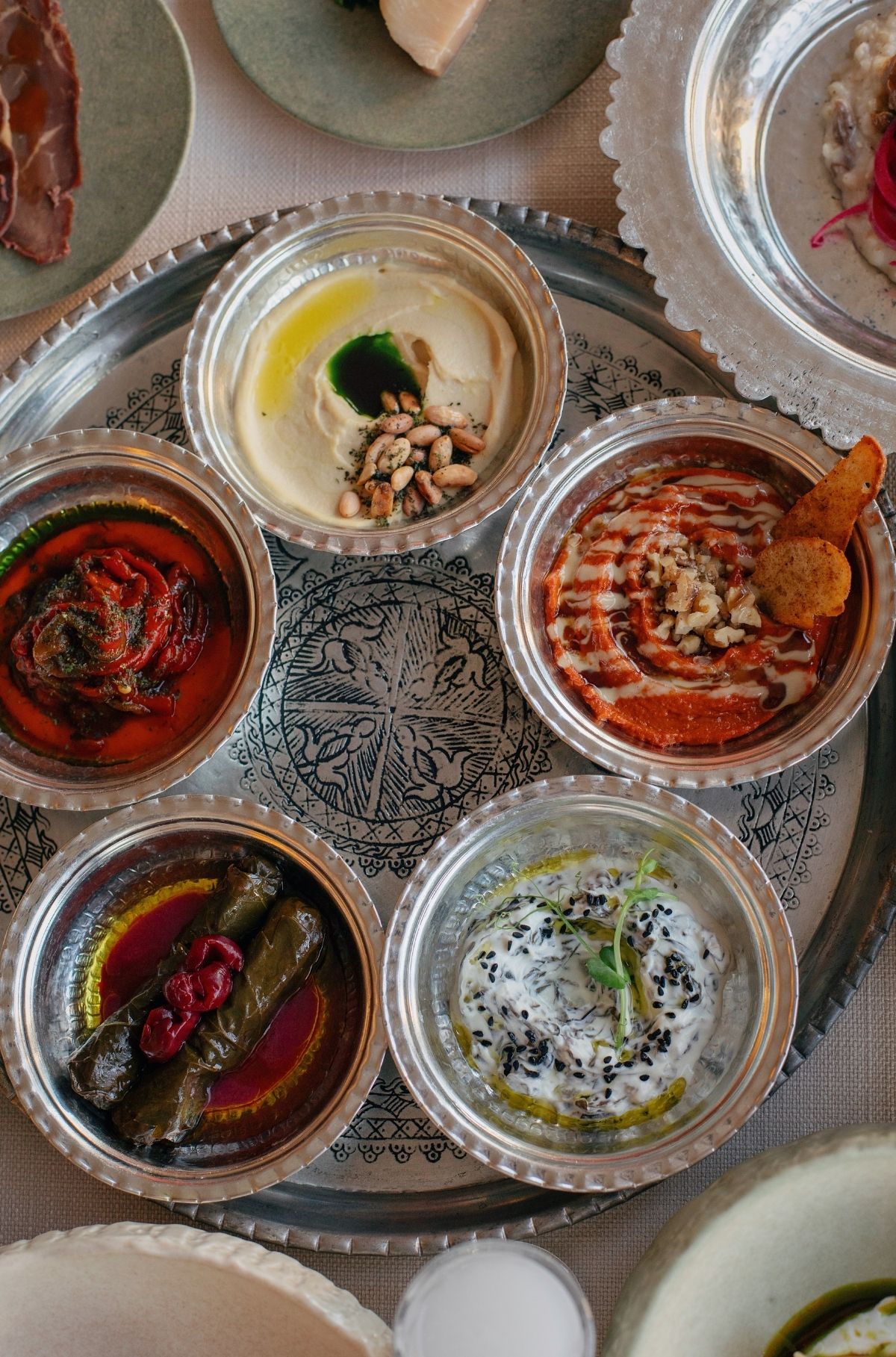
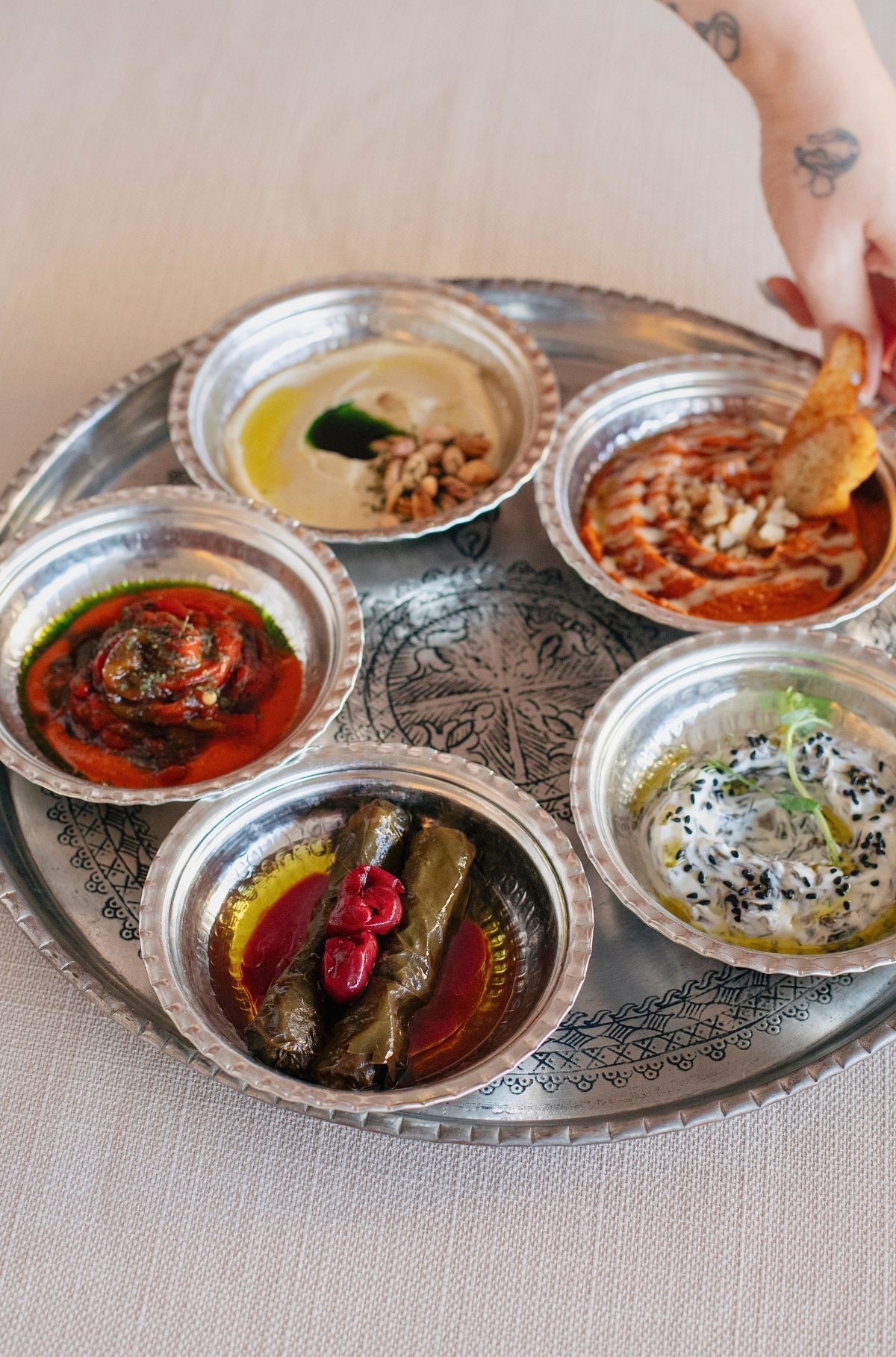
Turkish Meze Selection
(A selection of five signature tasting mezes from Shyra Restaurant)
The word “Meze” originates from a Persian term meaning “taste” or “flavor.” During the Ottoman era, this dining tradition flourished, becoming one of the most beloved ways of sharing food with family and friends before the main course.
Pastırma: One of Türkiye’s oldest cured meats, dating back to the Turkic nomads of Central Asia. The meat was salted, air-dried, and coated with a flavorful spice paste called çemen, allowing it to be preserved for long journeys. Today, pastırma is a celebrated delicacy of Turkish cuisine, particularly associated with the city of Kayseri.
Turkish Mantı: Mantı originated among the Turkic peoples of Central Asia and traveled to Anatolia through ancient migrations. Today, it stands as one of Türkiye’s most iconic dishes, with distinct regional variations enjoyed throughout Anatolia.
Lakerda: A traditional cured bonito delicacy dating back to the Byzantine era. Salt curing allowed fishermen to preserve seasonal catches while enhancing their delicate flavor. Today, it remains a proud cornerstone of both Turkish and Greek culinary traditions.
Kumis: One of the oldest beverages in the Turkic world, with a history spanning over 2,500 years. Made by fermenting mare’s milk, it was a vital source of nourishment for the nomadic peoples of Central Asia.
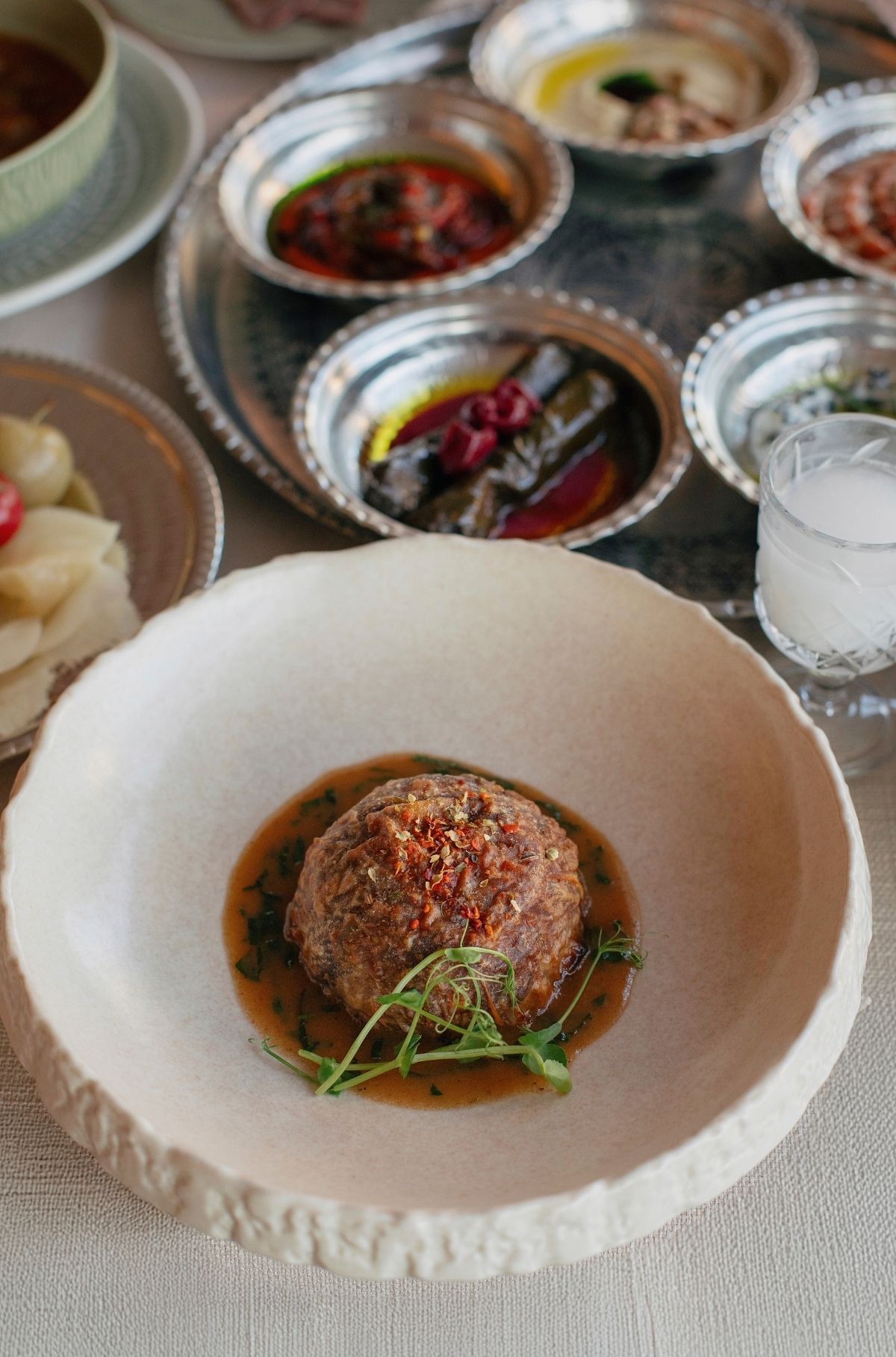
Keşkek: One of Anatolia’s oldest ceremonial dishes, crafted by slowly cooking wheat and meat together for many hours. Even today, it is traditionally prepared for weddings, festivals, and community gatherings across Türkiye.
Ottoman Palace Style Goose
Goose was considered one of the finest poultry delicacies of the Ottoman Palace, especially during the winter season and royal banquets. It held a prominent place of honor on the grand tables of Sultan Suleiman the Magnificent.
Kazandibi
Kazandibi is one of the most iconic milk desserts of Ottoman palace cuisine. Traditionally prepared with finely shredded chicken breast, it takes its name from the caramelized layer formed at the bottom of the cooking pot, giving it its signature rich flavor and silky texture.
Turkish Coffee
Coffee arrived in the Ottoman Empire during the 16th century. In Istanbul, a refined brewing method was developed, creating what is now celebrated worldwide as Turkish Coffee. Far more than a beverage, it endures as a timeless symbol of hospitality, friendship, and conversation.