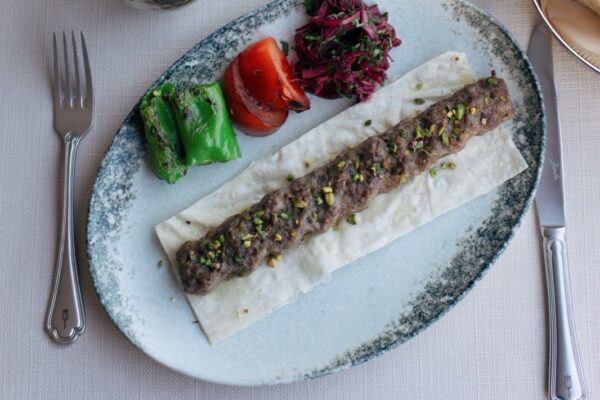

Ask a visitor to Istanbul what Turkish food tastes like, and the answer almost always starts with kebab. It is an understandable shorthand — juicy skewers and charcoal smoke are everywhere around Sultanahmet — but it flattens a cuisine built on layers most travelers never get to taste. At Shyra Restaurant, the kebab section of the menu sits alongside a much longer list: meze, cured fish, slow-cooked stews, ceremonial wheat dishes and desserts that predate the Ottoman court. This is an invitation to look past the grill.
The Misconception That Turkish Food Begins and Ends With Kebab
Kebab is a real and important part of Turkish cooking, but reducing an entire culinary tradition to grilled meat ignores centuries of technique that has little to do with fire. Long before Anatolia became famous for skewers, its kitchens were perfecting pickling, curing, slow-braising and grain cookery — methods shaped by nomadic Turkic ancestors who needed food that traveled well, and later refined by Ottoman palace cooks who had the time and resources to work over hours rather than minutes. Reading a menu with that history in mind changes how you order.
Meze First: A Feast Before the Main Course
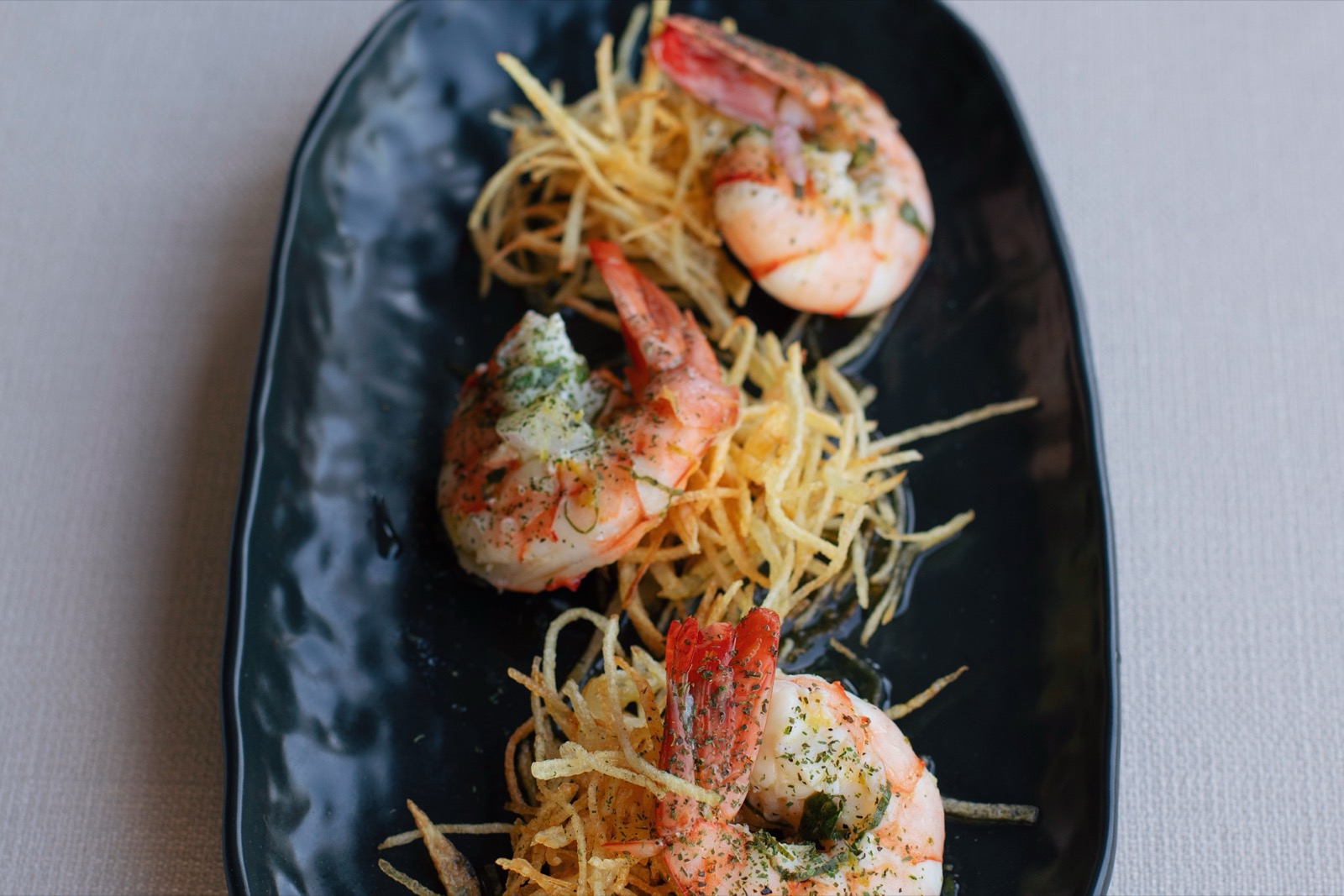
No Turkish table beyond the tourist strip starts with a main course. It starts with meze — small, shareable plates meant to be tasted slowly, in no particular order, while conversation does the rest of the work. The word meze itself comes from the Persian word for “taste” or “flavor,” and the tradition of a meze course flourished under the Ottomans as a way of honoring guests before the meal proper began.
At Shyra, the meze selection resists cliché. Alongside classics like muhammara — a Gaziantep-style spread of red peppers, walnuts, pepper paste and pomegranate-sour nardenk — the kitchen serves warm shrimp in a ginger and mustard sauce and a smoked eggplant meze finished with tahini and labneh. None of these mezes need a grill. What they need is patience: purées reduced slowly, pickles cured for days, and a spice paste like çemen that takes time to develop its full character on cured pastırma. If you only order one course at Shyra, order enough meze to cover the table; it is where the kitchen’s identity actually lives.
Cured and Cold: Lakerda and the Bosphorus’s Fish Traditions
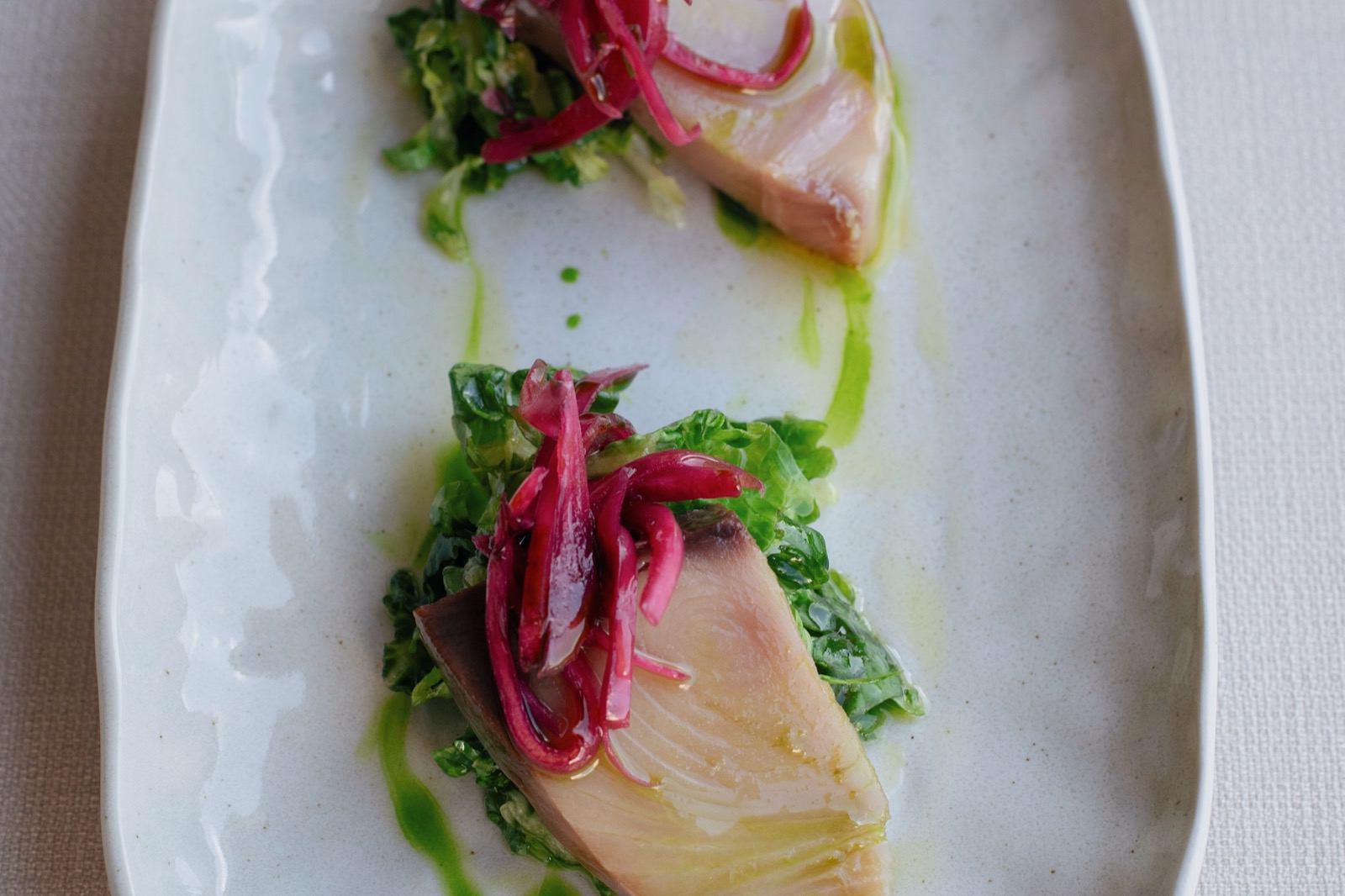
Few dishes make the case against kebab-only thinking as clearly as lakerda. This cured bonito dates back to the Byzantine era, when fishermen salted seasonal catch from the Bosphorus to preserve it through the months when fresh fish was not running. Shyra serves it Istanbul-style, thinly sliced with pickled purple onion, olive oil and lemon — cold, briny and nothing like anything that touches charcoal. It is a delicacy shared by both Turkish and Greek kitchens, a reminder that Istanbul’s food culture was never sealed off from the wider Aegean and Black Sea world.
The same coastal logic shows up elsewhere on the menu: sea bass marinated with capers and orange zest, or grilled with mastic gum and green peppers. Seafood in Turkish cooking is treated with a light hand — quick marinades, citrus, herbs — the opposite instinct from the long, smoky cooking most people associate with the cuisine.
Hearty Mains That Rarely See a Grill
Move past the kebab section of any serious Turkish menu and you will find dishes that take hours rather than minutes. Keşkek, one of Anatolia’s oldest ceremonial dishes, is made by cooking wheat and meat together slowly until the two become almost indistinguishable — traditionally prepared for weddings and community feasts, and still served at celebrations across Türkiye today. Mantı, tiny hand-folded dumplings that trace their roots to the Turkic peoples of Central Asia, arrived in Anatolia with successive waves of migration and now appear in dozens of regional versions, usually topped with garlicky yogurt and a drizzle of butter and mint. Shyra’s own version pairs mantı with beef tenderloin, tomato sauce and mint yogurt — closer to a slow-cooked casserole than anything grilled.
Then there are the bean and legume dishes that rarely make it onto a tourist’s radar: dry beans baked with pastırma in a clay pot, or İspir beans cooked slowly with green village peppers and Antep pepper paste. These are the dishes Anatolian households actually cook on a weeknight — unglamorous, deeply savory, and built for a low flame rather than an open one.
Vegetarian Dishes With Serious History
Turkish cuisine’s vegetarian repertoire is often the most overlooked part of the beyond-kebab conversation. Smoked eggplant purée, stuffed grape leaves finished with sour cherries and pine nuts, and Ottoman-style dumplings filled with spinach and Tunceli tulum cheese all sit comfortably on the same menu as any meat dish, developed with the same attention to spicing and technique. Much of this vegetarian meze and mains tradition has roots that predate the Ottoman court entirely, connecting back to the same Central Asian and Anatolian foundations we explore in the great migration behind Turkish cuisine.
Save Room: Desserts That Are Not Baklava
The instinct to reach for baklava at the end of a Turkish meal is understandable, but it is worth resisting at least once. We have written in detail about the milk-based and semolina desserts that once defined the Ottoman palace kitchen in our guide to Turkish dessert beyond baklava — dishes like kazandibi and levzine that owe nothing to phyllo dough or syrup-soaked pastry.
How to Order Beyond the Kebab Section
If you are planning a first visit and are not sure where to start, our guide on what to order the first time you try Turkish food is a good companion to this one, and our piece on why every dish at Shyra tells a story goes deeper into the kitchen’s philosophy. The short version here: build your table around two or three meze, add one cured or cold seafood dish, choose a slow-cooked main instead of a grilled one, and treat kebab as one option among many rather than the destination.
Frequently Asked Questions
Is Turkish cuisine only about meat? No. Vegetarian meze, legume stews and seafood dishes make up a large part of any traditional menu, including Shyra’s.
What should I try if I do not like grilled food? Start with a meze selection, move to lakerda or another cured fish dish, then choose a braised or clay-pot main such as baked beans with pastırma.
Is meze a starter or a meal? Both. Ordered in enough variety, a meze course can comfortably replace a single main course.
Conclusion
Kebab will always have a place on a Turkish table, and rightly so. But treating it as the whole story means missing centuries of pickling, curing, slow-braising and grain cookery that Anatolian and Ottoman kitchens spent generations refining, one meze at a time. At Shyra Restaurant in Sultanahmet, that history is on the menu every night, waiting past the kebab page for anyone willing to look.